How to Handle a Dental Emergency in Plano TX Fast
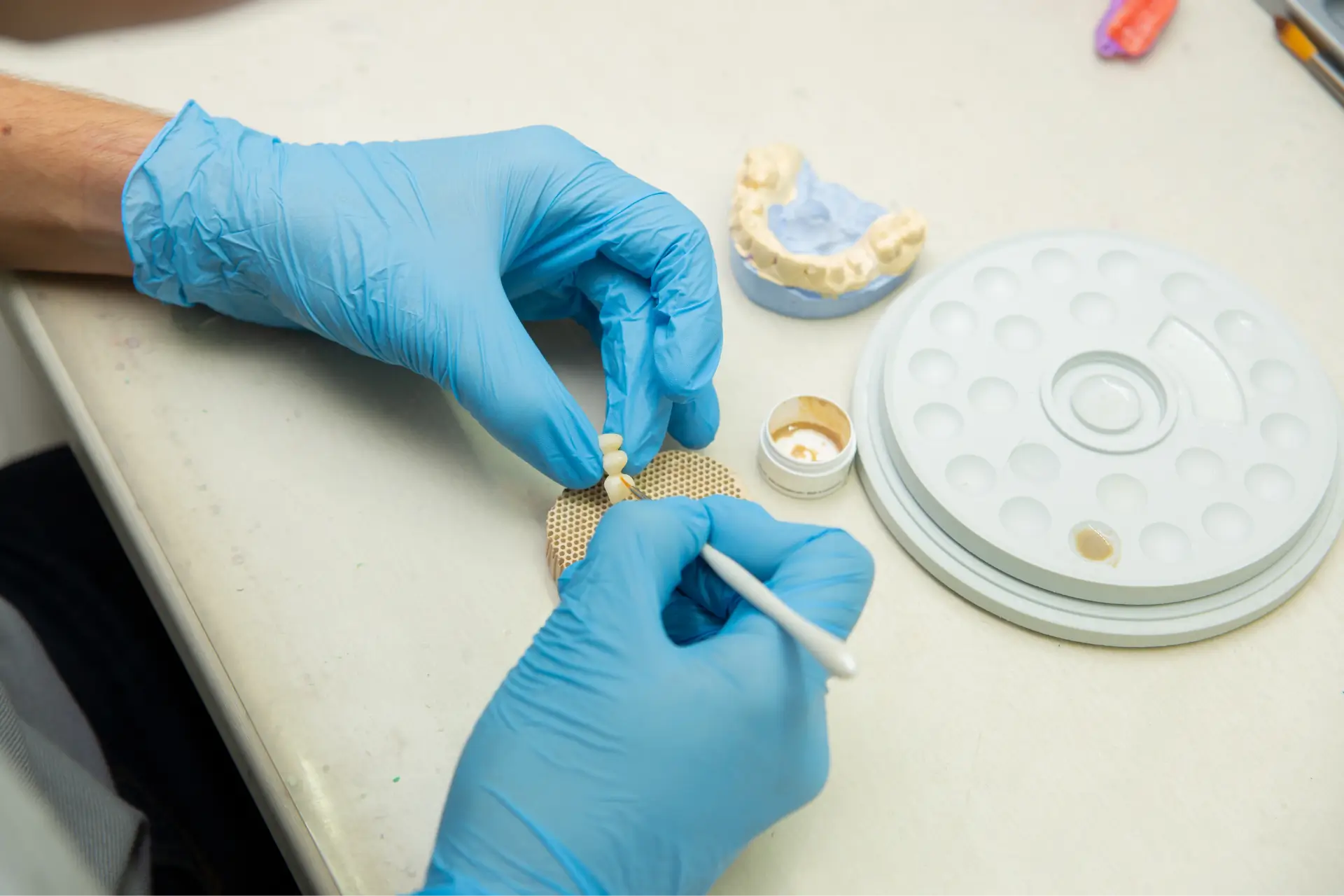
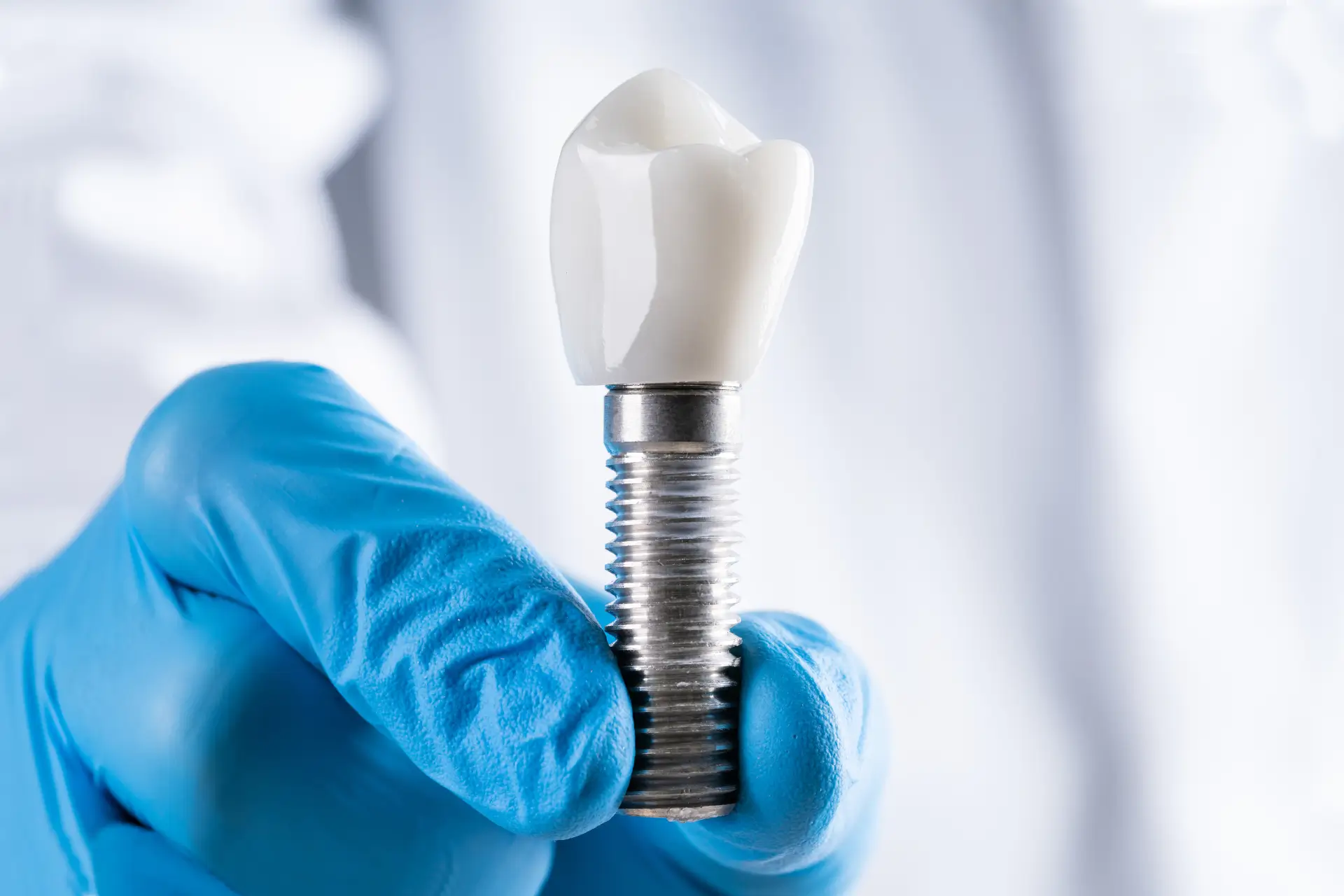
A dental emergency has a way of turning an ordinary day into a scramble. One minute you are eating lunch, heading to work, or getting a child ready for school. The next, there is blood in the sink, a sharp crack in a tooth, or pain so strong it changes how you breathe. In those moments, speed matters, but so does judgment. Not every urgent dental problem belongs in a hospital emergency room, and not every painful tooth can wait until next week.
If you are dealing with a Dental Emergency Plano TX situation, the goal is simple: protect the tooth or surrounding tissue, control pain and swelling as safely as possible, and get to the right provider without losing time. That sounds straightforward, but when adrenaline is up and you are searching for help on your phone, small decisions can make a big difference.
The good news is that many common dental emergencies respond well to prompt first aid and same-day care. I have seen cases where a tooth was saved because it was stored correctly for the drive to the office, and others where a small crack turned into a root canal and crown because treatment was delayed for a couple of days. Timing matters, and so does knowing what to do in the first ten to fifteen minutes.
What counts as a true dental emergency
A true dental emergency is any dental problem that needs immediate attention to stop bleeding, reduce severe pain, control infection, or save a tooth. Some issues are obviously urgent, such as a knocked-out permanent tooth or facial swelling that is spreading. Others are less dramatic but still need prompt care, especially when pain is intense or an infection is involved.
A chipped tooth with no pain might wait a short time. A cracked tooth that hurts when you bite down usually should not. A lost filling is annoying, but if the exposed tooth is highly sensitive or the area is cutting your tongue, it moves up the urgency scale. Gum swelling around a tooth can look minor and still point to an abscess.
People often make the mistake of judging severity by appearance alone. That is risky. A small pimple-like bump on the gum can signal an active infection. A tooth that looks intact can have a fracture line extending into the root. On the other hand, a dramatic-looking broken edge is sometimes easier to fix than a deep throbbing ache from an infected nerve.
The first few minutes matter
When you are in pain, it helps to have a simple sequence to follow. The immediate priorities are to stay calm, stop active bleeding, protect the injured area, and contact a dental office that can evaluate the situation quickly.
- Rinse your mouth gently with warm water to clear blood and debris.
- Apply clean gauze with light pressure if there is bleeding.
- Use a cold compress on the outside of the cheek for swelling, ten minutes on and ten minutes off.
- Save any broken tooth pieces or restorations, and keep them clean.
- Call a dentist right away and describe the injury, pain level, swelling, and when it happened.
Those steps cover a lot of ground. They are not a substitute for treatment, but they buy time and reduce the chance that a bad situation gets worse on the drive.
One practical note that people appreciate only after the fact: do not place aspirin directly on the gum or tooth. It does not treat the source of pain and can burn the tissue. Over-the-counter pain relievers can help if you can take them safely, but they belong in your system, not pressed against the sore spot.
If a tooth gets knocked out
This is one of the few dental problems where minutes really count. If a permanent tooth is knocked out completely, the best chance of saving it usually comes with fast action. Pick up the tooth by the crown, which is the part you normally see in the mouth. Do not grab the root. If it is dirty, rinse it gently with milk or saline. If neither is available, a brief rinse with clean water is acceptable, but do not scrub it or wrap it in tissue.
If possible, place the tooth back into the socket and hold it there gently while heading to the dentist. If that is not realistic, store it in milk, saline, or a tooth preservation product if you have one. Keeping it moist is essential. A dry tooth loses viability quickly.
This advice applies to permanent teeth, not baby teeth. A knocked-out baby tooth should not be pushed back into place because it can damage the developing adult tooth underneath. A child still needs prompt evaluation, especially if there is bleeding, difficulty biting, or concern about jaw injury.
I have watched families lose precious time because they stopped to finish errands, searched online for an hour, or assumed the tooth was unsalvageable because it looked dirty. Even when the situation looks bad, it is worth calling immediately. Dentists see this often enough to guide you step by step over the phone.
When a tooth cracks, chips, or breaks
Not every broken tooth feels the same, and the symptoms usually tell you how urgently it needs care. A small chip that only affects enamel may not hurt at all. It still deserves attention, especially if the edge is sharp, but it is not the same as a fracture that causes pain when biting or sends a zinging sensation with cold air.
Rinse the mouth gently and save any fragments you find. If the edge is sharp, dental wax from a pharmacy can cover it temporarily. Sugar-free gum can work in a pinch, though it is a stopgap, not a treatment. Avoid chewing on that side. If the break exposes the inner part of the tooth, sensitivity can intensify quickly, and a same-day visit becomes more important.
Cracks can be tricky. Some are easy to see, but others hide below the gumline or run vertically through the tooth. If the pain comes and goes with chewing, release, or temperature changes, there may be more damage than the mirror suggests. That is why teeth that look only slightly damaged sometimes need crowns or root canal treatment. The damage is not always on the surface.
Severe toothache is not just “one of those things”
People often try to wait out dental pain because they are hoping it will settle down. Sometimes it does for a few hours, then returns stronger. That pattern can point to inflammation inside the tooth, pressure from infection, or a crack that opens under stress.
A mild ache after biting something hard may not be an emergency. A severe, throbbing pain that keeps you awake, radiates into the ear or jaw, or comes with swelling is different. Warm saltwater rinses can soothe irritated tissue. A cold compress on the face may reduce inflammation if there is visible swelling. Avoid very hot, very cold, or sugary foods, which often aggravate the nerve.
What you do not want is to mistake temporary relief for resolution. I have seen many patients report that the pain “went away on its own” after a day or two. Often the nerve inside the tooth has died, which can mean the infection is now spreading quietly into the surrounding bone or gum. Less pain does not always mean less danger.
Swelling, infection, and the signs you should not ignore
Dental infections range from localized and manageable to genuinely dangerous. A small gum abscess near one tooth may stay limited for a short period, but the mouth and face have many connected spaces, and infection can travel. Painful swelling in the jaw, cheek, or gum should be taken seriously, especially if it is getting bigger over hours rather than days.
Trouble swallowing, a fever, a foul taste from draining infection, and swelling that affects the floor of the mouth or area under the jaw are all red flags. So is difficulty opening the mouth normally. Infections in the oral and facial region can escalate faster than many people expect.
This is where many people search for “Dental Emergenc” or “Dental Emergency Plano TX” online in a hurry and are not sure whether to call a dentist or head to the ER. The distinction matters, because emergency rooms can help stabilize severe infections and control systemic symptoms, but they usually do not provide definitive dental treatment such as root canal therapy, drainage through the tooth, or extraction by a general dentist. If the problem is severe enough to affect breathing, swallowing, or your overall condition, start with the ER. If it is painful but localized and you can function safely, a dentist is usually the faster route to actual treatment.
When the ER is the right move
There is no prize for trying to “tough it out” when the problem has crossed the line from dental urgency to medical urgency. Go to the emergency room or seek emergency medical help right away if you notice any of the following:
- Difficulty breathing or swallowing
- Rapidly spreading facial or jaw swelling
- Uncontrolled bleeding that does not slow with pressure
- Trauma involving possible jaw fracture, head injury, or loss of consciousness
- Fever with severe dental swelling and feeling faint or seriously ill
Those are situations where the priority is protecting the airway, controlling major bleeding, or addressing trauma beyond the tooth itself. After stabilization, you may still need a dentist to complete treatment, but the hospital is the proper first stop.
Lost crowns, fillings, and other problems that still need quick care
Some dental emergencies are more nuisance than crisis, but they can shift quickly. A lost crown may leave the underlying tooth sensitive and vulnerable to fracture. A missing filling can expose dentin, which feels painfully reactive to cold drinks and sweet foods. If a temporary crown comes off, the tooth can drift or become harder to restore if too much time passes.
If you still have the crown, keep it clean and bring it with you. Some people try over-the-counter temporary cement from a pharmacy, which can be useful for a very short time if the crown fits well and there is no pain or swelling. The key phrase there is very short time. Home fixes have a habit of turning a simple recement into a bigger repair when they trap debris or alter the fit.
Orthodontic problems can also become urgent. A wire that is cutting the cheek or gum may not be dangerous in a medical sense, but it can become miserable quickly. Orthodontic wax usually helps until you can be seen. If a retainer or appliance breaks after trauma, especially if a tooth feels loose, the issue deserves prompt evaluation rather than a casual wait-and-see approach.
What to expect when you call a dental office in Plano
The fastest path to care usually starts with a direct phone call, not just an online booking form. Most dental offices that treat emergencies will ask a few practical questions: what happened, when it happened, your pain level, whether there is swelling or bleeding, and whether the injured tooth is a permanent or baby tooth. They may also ask about medical conditions, allergies, and whether you are taking blood thinners.
Clear descriptions help. “My tooth hurts” is less useful than “the upper left molar started throbbing last night, my cheek is slightly swollen, and cold water makes it worse.” If there was trauma, mention whether the tooth is loose, displaced, or completely out. If you can send a photo, that can assist with triage, though it does not replace an exam.
In Plano, as in most busy suburban areas, same-day emergency availability varies by office and by time of day. Early morning calls usually have the best chance of landing a same-day appointment, but urgent swelling or trauma often gets squeezed in regardless. If one office cannot see you, ask whether they recommend another local provider or an oral surgeon based on your symptoms. That question alone can save an hour of calling around.
Pain control while you are waiting to be seen
Relief matters, especially if you are looking at a few hours before treatment. The safest approach is usually a combination of rest, soft foods, hydration, and appropriate use of nonprescription medication if your health history allows it. Some people respond well to ibuprofen, others cannot take it because of ulcers, kidney disease, pregnancy considerations, or blood thinner use. Acetaminophen may be a better fit for some patients, but it has its own dosing limits. If you have any doubt, check with a pharmacist, your physician, or the dental office.
Cold compresses help more often than heat in the first phase of a swelling-related emergency. Heat can feel soothing but may worsen certain kinds of inflammation. Keep the head elevated, especially at night, because lying flat can increase pressure and throbbing. Eat on the unaffected side if possible. Skip hard, crunchy foods and anything extremely hot or cold.
Temporary numbness gels can blunt gum irritation, but they do very little for deep tooth pain from an inflamed nerve. That is why people often feel disappointed after trying every pharmacy aisle remedy they can find. A symptomatic tooth usually needs a real diagnosis to get better.
Children, sports injuries, and family panic
Dental emergencies involving children are uniquely stressful because the child is scared, the parent is worried, and details about what happened are often incomplete. Was the tooth loose before the fall? Did it move, chip, or disappear? Is it a baby tooth or a permanent one? With young children, especially around ages six to twelve, that can be surprisingly hard to tell.
If a child injures a tooth during sports, recess, or rough play, look first for lip cuts, gum bleeding, and changes in the way the teeth meet when they bite down. Teeth that appear pushed inward, outward, or upward should be treated as urgent. A tooth that has darkened after trauma may not be an emergency that minute, but it needs follow-up because the nerve may have been injured.
Mouthguards prevent more emergencies than https://ameblo.jp/jaredycml957/entry-12978052901.html most families realize. Custom guards offer the best fit, but even a decent athletic mouthguard is better than none for basketball, soccer, baseball, martial arts, and skate-related activities. Prevention is not glamorous, but it saves pain, cost, and rushed appointments.
The cost question, and why delaying often costs more
People are understandably concerned about emergency dental costs. Fees vary depending on the exam, X-rays, treatment needed, and whether a specialist is involved. It is reasonable to ask about pricing, financing, and insurance when you call. Most offices expect that question.
What is less obvious is how quickly a delay can raise the final bill. A small cavity that turns into pulpitis becomes a root canal and crown. A cracked filling left alone can lead to a fractured cusp. A minor infection can become a larger one requiring more involved treatment and more time away from work. The cheapest emergency is often the one addressed early.
This is not to suggest that every urgent-sounding symptom becomes catastrophic. Many do not. The point is that uncertainty favors evaluation. A brief exam and X-ray can separate the fixable today from the complicated tomorrow.
How to prepare before an emergency ever happens
Most people do not think about dental emergencies until they are in one. A little preparation goes a long way, especially for families with children, athletes, or adults who have a history of broken teeth, crowns, or grinding.
Keep the number of a local dentist who offers same-day emergency care saved in your phone. Have basic supplies at home, such as clean gauze, a cold pack, dental wax, and a small container that could hold a dislodged tooth or crown during transport. Know your medications and allergies so you can answer quickly if the office asks. If you wear a night guard and have a habit of clenching, use it consistently. I have seen more cracked teeth from untreated grinding than most people would guess.
Routine dental care also reduces true emergencies. Cavities caught early hurt less and cost less. Old fillings can be monitored before they fail on a holiday weekend. Gum disease can be managed before it creates loose teeth or abscesses. Emergency care will always have a place, but prevention quietly does most of the heavy lifting.
Fast action is about more than speed
When people hear “handle it fast,” they often think only about getting in the car quickly. Speed helps, but the right action matters just as much. The difference between wrapping a knocked-out tooth in dry tissue and storing it in milk can change the outcome. The difference between going to a dentist for severe localized tooth pain and spending hours in an ER waiting room can affect how soon the real treatment starts. The difference between ignoring swelling at noon and calling when it doubles by evening can affect your safety.
If you are facing a dental emergency in Plano, focus on three things: protect the area, choose the right provider, and do not let temporary relief fool you into waiting too long. Dental injuries and infections are rarely convenient, but they are often manageable when handled early and with a clear head. That is how teeth get saved, pain gets controlled, and small problems stay from becoming much bigger ones.
Vitality Dental
Address: 1220 Coit Rd #106, Plano, TX 75075
Phone number: +19726454100
FAQ About Dental Emergency Plano TX
What can the ER do for a tooth?
An emergency room (ER) can manage pain and treat severe infections with medication, but it cannot fix or pull a tooth.
What is considered a dental emergency?
A dental emergency is any oral health problem that involves severe pain, uncontrollable bleeding, or an infection that threatens your health or requires immediate care to save a tooth.
Is there a 24-hour dental service in Plano, TX?
There is no physical dental clinic in Plano, Texas, that stays open with walk-in staff 24 hours a day, but several offices offer 24/7 phone support, late-night hours, or same-day emergency care.