Do Veneers Damage Your Natural Teeth?
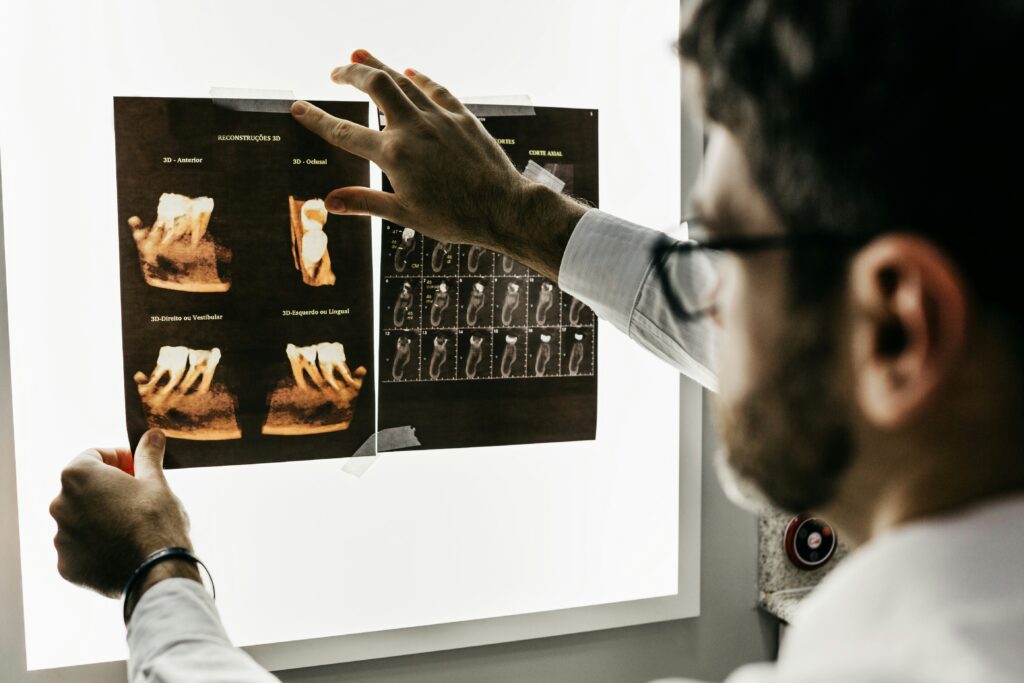
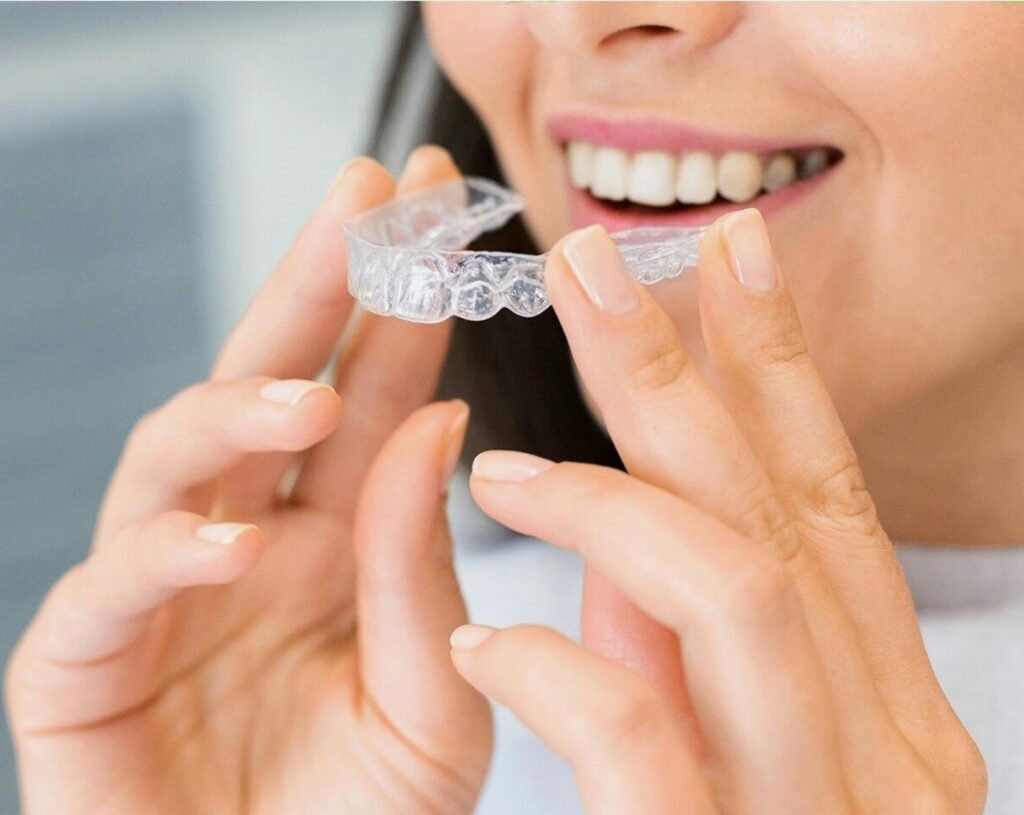
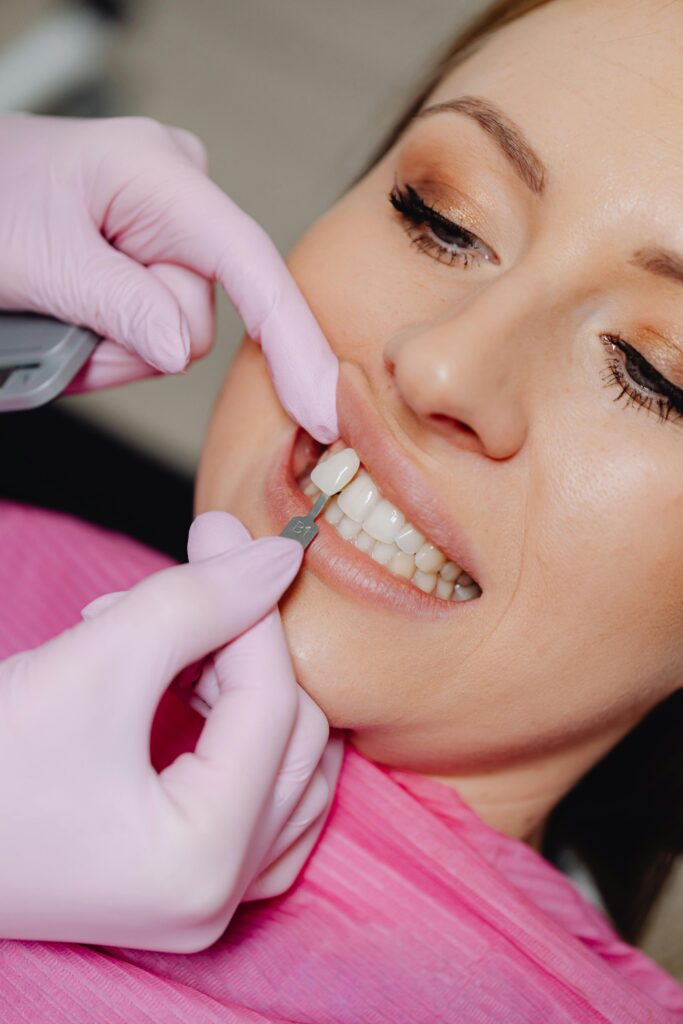
The short answer is that veneers do not automatically damage your natural teeth, but they do change them permanently in most cases. That distinction matters. Patients often hear two extreme versions of the story. One is that veneers are harmless, simple cosmetic upgrades. The other is that they ruin healthy teeth. Neither version reflects how dentistry actually works.
Veneers are thin shells, usually made from porcelain or composite resin, bonded to the front surface of teeth to improve color, shape, size, or alignment. When done thoughtfully, on the right patient, with conservative preparation and excellent bonding, they can be durable and beautiful. When done aggressively, for the wrong reasons, or without long-term planning, they can lead to sensitivity, replacement cycles, gum irritation, bite problems, and unnecessary loss of enamel.
So the better question is not whether veneers are inherently damaging. https://medium.com/@oaksdental/about It is how much tooth structure must be altered, whether that alteration is justified, and what happens to those teeth over the next ten, twenty, or thirty years.
What actually happens to a tooth when you get veneers
Most porcelain veneers require some removal of enamel from the front of the tooth. The amount varies. In conservative cases, preparation may be very light, sometimes around 0.3 to 0.7 millimeters. That is thin, but it is still real tooth structure. On a healthy young tooth, enamel is precious. Once removed, it does not grow back.
Dentists reduce the tooth to create space for the veneer so the final result does not look bulky or overcontoured. A veneer placed on top of an unprepared tooth can look too thick, especially near the gumline and at the edges. In selected cases, no-prep or minimal-prep veneers are possible, but they are not appropriate for everyone. They work best when teeth are naturally small, slightly set back, worn down, or have spacing that allows room for added material.
The key point is this: most veneers do not damage the deeper living part of the tooth when done properly, but they usually require irreversible enamel reduction. That is not the same thing as injury, yet it is still a permanent intervention.
A useful comparison is tailoring a jacket. A skilled tailor can reshape it beautifully, but once the fabric is cut, you do not get the original material back. Dentistry is similar, except the stakes are higher because the material is your own tooth.
Enamel removal is not always the same as harm
Patients often react strongly when they hear that teeth are “shaved down.” Sometimes that phrase describes aggressive treatment. Sometimes it is a dramatic oversimplification of a careful, conservative procedure.
Teeth prepared for veneers should not, in a well-planned case, be ground into tiny pegs. That image often comes from confusion with crowns, which cover the full tooth and typically require much more reduction. Veneers usually affect only the front and edge, not the entire circumference.
From a clinical standpoint, staying in enamel is the goal. Bonding to enamel is stronger and more predictable than bonding to dentin, the layer underneath. It also tends to reduce the risk of sensitivity and edge leakage over time. When preparation remains mostly in enamel, the biological cost is lower. When a case requires deep reduction into dentin, the risk profile changes.
That is one reason experienced cosmetic dentists spend a lot of time on case selection. A patient with darkly stained teeth, a severely rotated tooth, or a tooth that sticks far forward may need more reduction to create a natural-looking result. A patient with mild wear and spacing may need very little. Same treatment category, very different biology.
When veneers can create real problems
Problems usually do not begin with the veneer material itself. They begin with planning errors, excessive tooth reduction, poor bite analysis, weak bonding, or unrealistic cosmetic goals.
One common issue is postoperative sensitivity. If too much enamel is removed, or if dentin is exposed, teeth may react to cold, pressure, or sweets. Sometimes this settles. Sometimes it lingers. If a tooth was already borderline because of old fillings, cracks, or recession, veneers can expose that weakness.
Another problem is overcontouring. If veneers are too thick or poorly shaped, they can trap plaque around the gumline. The result may be swollen gums, bleeding, tenderness, and a smile that looks good in photos but feels unhealthy in real life. Gingival inflammation is one of the fastest ways to tell whether a veneer case was designed with biology in mind.
Bite problems are less discussed but equally important. Veneers that slightly alter the way front teeth contact can create chipping, jaw tension, or uneven wear on natural opposing teeth. I have seen cases where the veneers themselves looked attractive, but the patient could not bite comfortably into a sandwich six months later. A smile is not successful if it only works when the mouth is relaxed and motionless.
Then there is the replacement cycle. Veneers do not last forever. Porcelain often lasts ten to fifteen years or longer in favorable conditions, but that is not a guarantee. Some fail earlier. Composite usually needs maintenance and replacement sooner. Each replacement may involve additional tooth alteration, especially if there is decay, chipping, edge staining, or bonding failure. That is where the long-term cost to natural teeth can grow.
Situations where veneers may be a poor choice
There are cases where veneers are possible, but not wise. This is where judgment matters more than enthusiasm.
If a patient has significant grinding or clenching, veneers can chip or debond unless the bite is stabilized and a night guard is used consistently. Even then, risk remains. If the patient has active gum disease, poor oral hygiene, high cavity risk, or untreated decay, cosmetic work should wait. If someone wants veneers to fix major crowding, orthodontics may be more conservative. If someone has very large fillings, cracks, or structurally weak teeth, crowns or other restorative options may make more sense than thin cosmetic shells.
Age also matters. A 22-year-old with healthy, intact enamel and mild discoloration should be approached differently than a 48-year-old with worn edges, old composite bonding, and a history of whitening that no longer works well. The younger the patient, the longer the restoration timeline ahead. A veneer placed early may be replaced several times over a lifetime. That does not make it wrong, but it should temper impulse decisions.
The same applies to social pressure and trends. Some patients ask for ultra-bright, ultra-uniform smiles because they have seen them on television or social media. The problem is not only aesthetics. Very opaque, very bulky restorations often require more aggressive preparation to hide dark underlying tooth color or to create dramatic shape changes. Natural teeth pay the price for that effect.
When veneers are often kind to teeth
There are also many situations where veneers are a conservative and intelligent treatment.
A patient with enamel defects that cannot be whitened, such as fluorosis or certain developmental irregularities, may benefit tremendously. Someone with chipped or worn front teeth, small gaps, uneven edges, or old bonding that keeps failing may be an excellent candidate. In these cases, veneers can protect vulnerable surfaces, restore symmetry, and improve function as well as appearance.
Porcelain veneers, when designed conservatively and bonded primarily to enamel, can be quite respectful of natural teeth. They preserve more structure than full crowns. They can strengthen the front surface of worn teeth. They resist staining better than composite. They can also reduce the cycle of repeated patchwork repairs that some patients experience with direct bonding.
I remember a typical example from practice patterns many dentists know well: a patient in her forties who had spent fifteen years repairing the same front tooth edges after small fractures and staining. Each repair was modest, but the cumulative frustration was large. Her enamel was already worn, the teeth were slightly uneven, and whitening had plateaued. In that context, veneers were not a reckless cosmetic upgrade. They were a durable way to stop chasing minor failures every year.
That is the nuance people miss. Veneers can be excessive on one person and sensible on another, even if the two smiles look similar in a before-and-after photo.
The difference between porcelain and composite veneers
Material choice affects how much natural tooth is altered and how the teeth fare over time.
Porcelain veneers are fabricated outside the mouth, usually by a dental laboratory, and then bonded to the teeth. They are highly aesthetic, color stable, and generally durable. They often require careful tooth preparation, although not always a large amount. Because porcelain is rigid and thin, the preparation must be precise. Done well, the fit and finish can be excellent.
Composite veneers are built directly on the teeth or made indirectly, depending on the technique. They usually preserve more tooth in some cases and can be repaired more easily. They are also less expensive upfront. The trade-off is that composite tends to stain, wear, and lose polish faster than porcelain. It may need more frequent maintenance.
Neither material is automatically safer. A heavy-handed composite case can be more harmful than a careful porcelain case. A minimally invasive porcelain case can be gentler than repeated composite repairs that continually roughen and patch the enamel. The real issue is not material marketing. It is the amount of preparation, the quality of the bite design, and the discipline of the treatment plan.
Why some veneer cases go badly wrong
Most veneer horror stories share a pattern. The teeth were reduced too much, the design ignored facial proportions or gum architecture, and the patient agreed to treatment before understanding the biological trade-offs.
Sometimes speed is the problem. Same-day decisions, rushed smile makeovers, or treatment driven more by sales than diagnosis can lead to permanent regret. Veneers may look simple from the outside, but high-level cosmetic dentistry is one of the more demanding areas of practice. Tiny errors in reduction, emergence profile, margin placement, or occlusion show up quickly in the mouth.
Another source of trouble is using veneers to mask issues better solved elsewhere. Orthodontics can move teeth into better positions without removing enamel. Whitening can improve color without bonding anything to the surface. Gum contouring can refine symmetry when tooth shape is not the main issue. A thoughtful dentist does not start with the most irreversible option. They start with the least invasive option likely to solve the real problem.
The role of no-prep and minimal-prep veneers
No-prep veneers are often marketed as the ideal answer because they avoid drilling. For a narrow group of patients, they can be excellent. But they are not a universal solution, and that point deserves emphasis.
If a patient’s teeth are already full, prominent, or large, adding porcelain without reduction can make them appear thick and artificial. The gumline can become bulky, speech may feel different at first, and cleaning can become harder. In those situations, no-prep treatment can preserve enamel yet still produce an unhealthy or unattractive result.
Minimal-prep veneers are usually a more realistic middle ground. The dentist removes just enough enamel to create space, refine edges, and place margins properly while preserving as much healthy structure as possible. This approach often gives the best balance between aesthetics, fit, and biology.
The phrase “no damage” should never be the selling point. The right selling point is appropriate treatment for the individual tooth.
What happens if a veneer comes off or fails
A common fear is that once a veneer fails, the natural tooth is ruined. That is not always true, but the tooth does become dependent on continued restoration if it was prepared.
If a bonded porcelain veneer debonds cleanly, the tooth may simply need rebonding or replacement. If the underlying tooth was minimally prepared and healthy, the situation may be manageable. But if the veneer fractures, decay forms at the margin, or the tooth has been reduced more deeply over time, the next restoration may be more extensive.
This is another reason long-term planning matters. Veneers are not a one-time event. They are the beginning of a maintenance relationship. Some patients are perfectly comfortable with that. Others assume they are making a permanent cosmetic upgrade that will sit untouched forever. That mismatch in expectations leads to disappointment.
A realistic dentist explains the likely lifespan, the need for hygiene visits, the possibility of future replacement, and the fact that repaired or replaced veneers may not be identical to the originals. Dentistry works in living tissue, inside an active bite, in a moist environment. Precision is possible, permanence is not.
How to lower the risk of damaging your teeth with veneers
The safest veneer cases are usually the ones that took the longest to plan. Good records, photographs, bite evaluation, and a wax-up or mock-up often reveal whether veneers are truly the best path. They also help the patient understand shape and size before any enamel is touched.
If you are considering treatment, focus on the quality of the decision-making more than the glamour of the before-and-after photos. Ask practical questions. How much tooth reduction is expected? Will most of the bonding be to enamel? Are there alternatives such as whitening, orthodontics, or bonding? What is the maintenance plan? What happens if one chips? Will you need a night guard?
These are often better signs than a heavily curated smile gallery.
Here are the most useful screening questions to ask at a consultation:
- How much enamel will you need to remove from my teeth?
- Am I a candidate for minimal-prep or no-prep veneers, or would that look bulky?
- Are there less invasive options that could solve most of my concerns?
- How will my bite, grinding habits, and gum health affect the result?
- What is the realistic lifespan, and what will replacement likely involve?
A careful dentist should be able to answer these without evasion or overselling.
Signs a treatment plan may be too aggressive
Patients are not expected to know dental preparation depths or bonding protocols, but they can still notice red flags. If the consultation feels rushed, if alternatives are dismissed immediately, or if the smile design looks dramatically larger and whiter than your facial features support, pause.
Other warning signs tend to appear in the language used around treatment:
- Guarantees of perfect permanence
- Pressure to commit quickly
- Little discussion of bite, grinding, or gum health
- No clear explanation of how much natural tooth will be altered
- Mockery of conservative options like whitening, bonding, or orthodontics
Good cosmetic dentistry is confident, not pushy.
Caring for veneered teeth matters more than people expect
Veneers themselves cannot decay, but the teeth underneath and around them certainly can. Margins must be kept clean. Gums must stay healthy. Hard habits like chewing ice, opening packages with teeth, or biting fingernails increase fracture risk. Grinding often requires a custom night guard, especially for porcelain.
Patients sometimes assume veneers are tougher than natural enamel because porcelain is hard. Hardness is not the same thing as resilience. A porcelain veneer can resist stains beautifully and still chip under the wrong stress. The bond between tooth and veneer is sophisticated, but it is not invincible.
Maintenance is especially important at the gumline. Poor flossing or chronic plaque can inflame tissues around even the best restorations. Once gums become puffy or recede, margins may show, black triangles may appear, and the cosmetic result deteriorates. Many “bad veneer” photos circulating online are not only about color or shape. They are also about neglected tissues.
So, do veneers damage your natural teeth?
If “damage” means complete destruction, the answer is usually no when treatment is done correctly. If “damage” means irreversible alteration of healthy enamel, then in many cases yes, veneers do require that trade-off. The real issue is whether that alteration is minimal, justified, and managed well over time.
For the right patient, veneers can be conservative relative to the problem they solve. For the wrong patient, they can be an unnecessary escalation that begins a lifelong restoration cycle too early. That is why the best veneer cases rarely begin with excitement about porcelain. They begin with diagnosis, restraint, and honesty.
A beautiful smile can be built many ways. The smartest route is the one that preserves the most healthy tooth structure while still meeting the patient’s goals. Sometimes that route includes veneers. Sometimes it does not. The natural teeth should always get a vote.
Oaks Dental
Address: 5000 Parkway Calabasas Ste 308, Calabasas, CA 91302
Phone number: +18184312000
FAQ About Veneers
How much do veneers actually cost?
The cost of dental veneers typically ranges from $250 to $2,500 per tooth, with a full smile transformation averaging anywhere from $6,000 to $20,000 depending on the material you choose. Because veneers are classified as a elective cosmetic procedure, dental insurance almost never covers them.
What is the downside of having veneers?
The main downside of dental veneers is that the process is permanent and irreversible, as a dentist must shave off a thin layer of natural tooth enamel. Other major drawbacks include increased tooth sensitivity, high financial costs, and the need to replace them every 10 to 15 years.
What happens to the teeth under veneers?
When you get veneers, a dentist shaves off a thin layer of your natural tooth enamel (about 0.3 to 0.7 millimeters). The living tooth stays intact underneath, but losing this outer layer is permanent. The tooth relies on the veneer shell for lifelong protection and cannot be left bare.